“Trade-off: Between digital citizenship in the company and resilience to change.”
15/03/2022
Objectives and Results of Project n. 2021-1-IT01-KA210-VET-000034548
All project results and information are available on the website: www.trade-off.org. Training for companies and their adult workers is called upon to be the backbone of economic growth and employment inclusion in the EU. It is essential to prepare workers to make the most of opportunities and face the challenges posed by a globalized, interconnected, and rapidly evolving world. To foster innovation, economic growth, and the economic progress of companies, trainers first and their learners (workers or employees) immediately after must be prepared to: • improve their digital literacy and inclusion; • go beyond the "basic level" of digital skills and develop a critical and informed use of new technologies. To achieve these priority objectives, with the TR.Off project, we asked ourselves the following questions: 1. What are the tools and channels through which to disseminate digital skills? And who are the stakeholders who can contribute to this dissemination of knowledge? To achieve digital education for the corporate workforce—what we call "digital citizenship in the workplace" and "building resilience to change"—trainers must be aware of their role as catalysts for digital skills and foster in workers or students the same digital skills they themselves have acquired. To make training programs more flexible and fill the gaps among trainers and their adult learners, both those already employed or those about to return to the workplace, our objectives are: - to collect data on the use of technology in corporate training; - to simplify corporate trainers' approach to digital technology; - to improve the transferability of corporate training activities through digital application, both in space and time; - to limit the elements to be transferred in relation to digital methodologies to avoid information overload and overlap; - to track behaviors that benefit corporate trainers who must acquire the ability to convey the various digital applications; - to plan and schedule courses that respect the learner's attention span with respect to the use of technology. These objectives enable targeted use of technologies, enabling companies that invest in digital transformation and employee training to grow by applying technology effectively. At the end of the project, the following are expected: - to have trained at least 70% of company staff in the concept of "digital citizenship in the workplace"; - to have increased investment in training trainers in digital innovation and digital transformation by 30%; - to have increased adult workers' skills in managing organizational change and training processes for the use of new digital technologies by 50%.
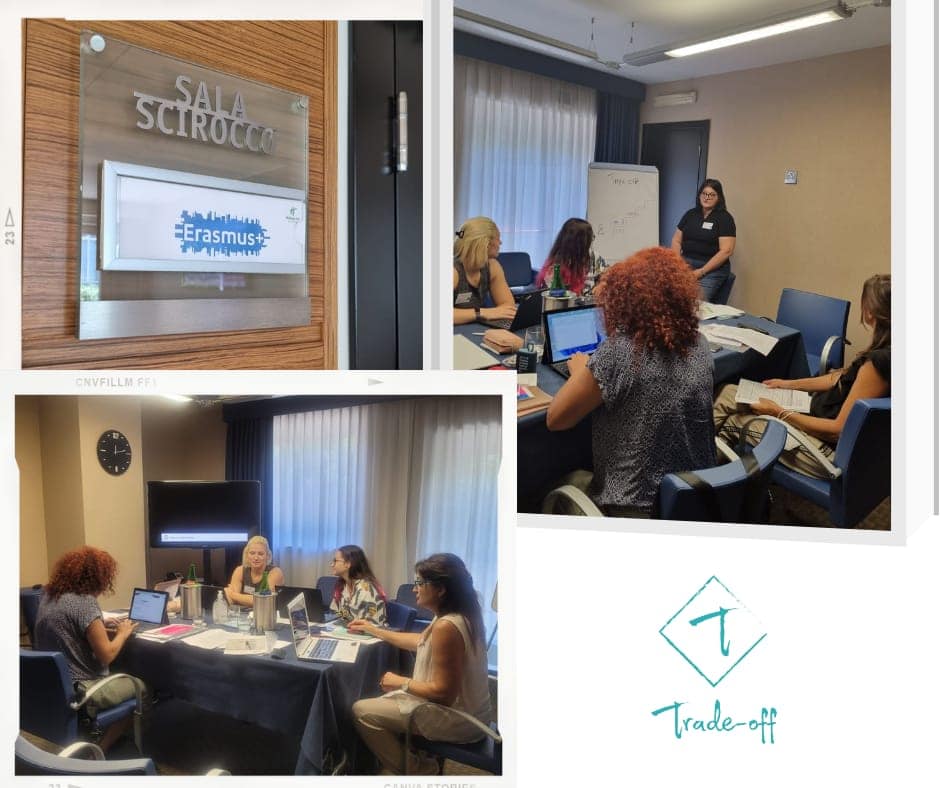
Who is the TRADE-OFF project aimed at?
The TR.Off project is primarily aimed at corporate trainers. A corporate trainer is a professional who, with experience gained in corporate settings, will be called upon to address the following topics: - digital transition and innovation development; - technological tools, digitalization, and organizational process innovation. The selected trainers will be those currently providing ongoing training to adult workers who are already employed by the company or who are returning after periods of suspension or layoff. The training will also include company/technical staff responsible for installing new technologies in the company and who often act as trainers for specific technological tools; company tutors for apprentices; and, finally, staff responsible for technological innovation who, during the pandemic, had to activate remote working stations to keep the company operational during lockdown. While the pandemic has led to a perceived drop in revenue (in 2020) of between 11% and 50% compared to the previous year for 48.5% of companies investing in training, the situation has been even worse for training itself, which has seen revenue drop to zero in some sectors, or at best, a decline of more than 70%. The question we asked ourselves, one that touches us deeply, is: "What happened to the trainers who worked in those companies?" How can they regain visibility and inclusion? The trainers we want to involve are precisely those who have been left behind, those who have suffered a setback without being able to reinvent themselves, unable to reintegrate into new areas and new business systems. The training of these trainers becomes a priority, both to restore their professional skills and to support the surviving companies and those that will emerge during this period of great change. We're talking about trainers accustomed to delivering in-person courses, who mostly worked with outdated methodologies and very few technological tools, using only visualization and representation of supporting images. These trainers, during the pandemic, attempted other classroom settings, but where they succeeded, they were unable to extend corporate digital citizenship beyond the use of social media or remote working tools. This means that "our corporate trainer" needs support in learning to use digital technology, both as a teaching methodology and as a transferable skill set. They will therefore need to enhance their digital skills and revise their training programs to have a direct impact on their client companies in terms of digital technologies, which will then need to take action and invest in individual key figures within the organization.
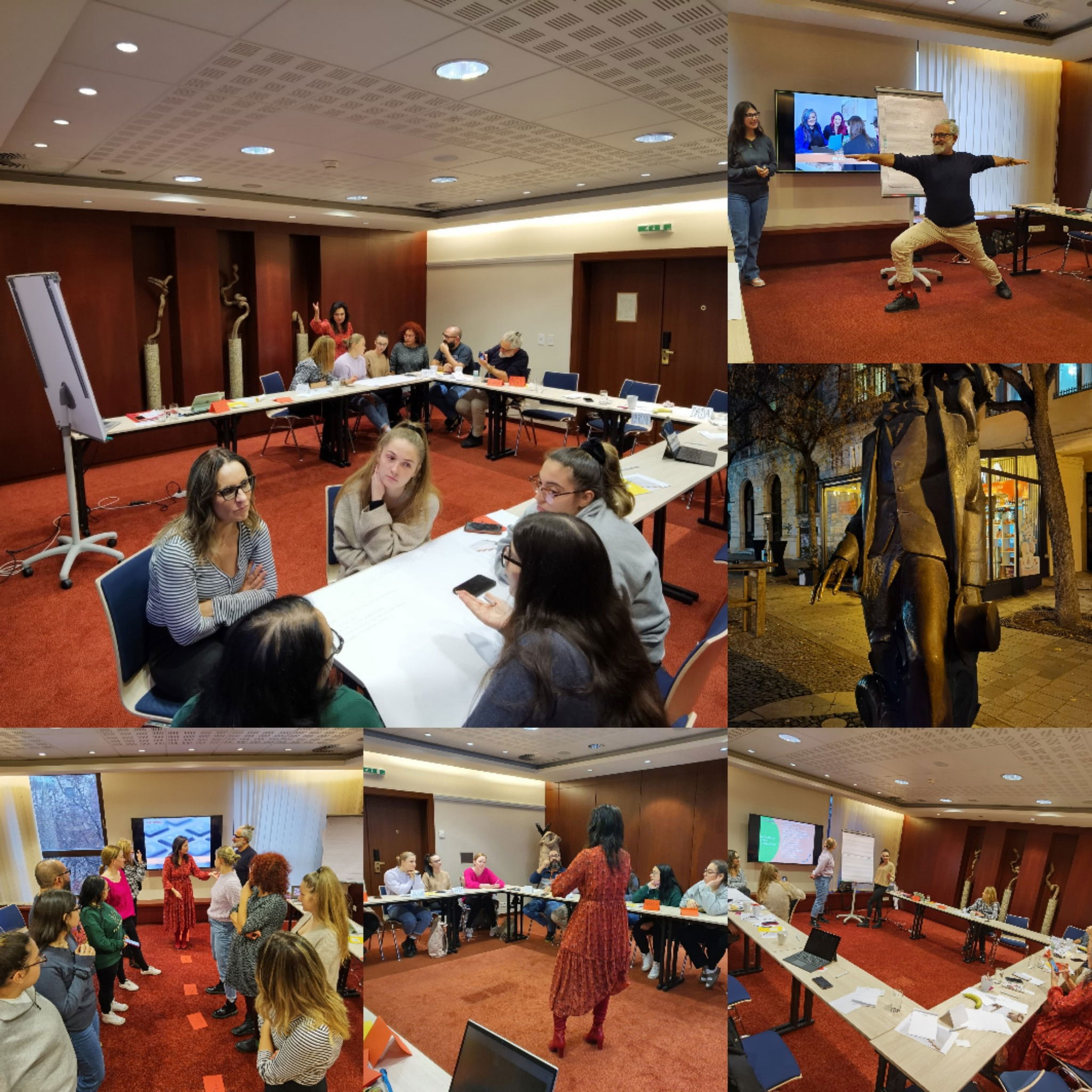
Why a project for corporate trainers?
Fosway Group, uno dei più autorevoli HR Industry Analyst in Europa, ha condotto una ricerca analizzando l’impatto che la pandemia Covid-19 ha avuto sul Learning & Development aziendale.Il focus si è concentrato sul capire come i cambiamenti nel mondo del lavoro e nell’apprendimento abbiano influenzato i budget e le spese di R&S (ricerca e sviluppo) ma soprattutto sul comprendere cosa ha funzionato o meno nel sostenere le persone in questo periodo di incertezze. I risultati della ricerca hanno dimostrato che la Digital Transformation ha offerto delle opportunità importanti per la formazione aziendale ma ha anche evidenziato la difficoltà che molte organizzazioni hanno incontrato nell’adottare un approccio strategico ed innovativo nella progettazione della formazione aziendale moderna. Questo perché adattarsi al cambiamento e scegliere le migliori soluzioni per una formazione in linea con i valori e le necessità aziendali non è né facile e né tantomeno immediato. Gli ambiti per i quali risulta prioritaria una formazione aggiornata e al passo con i tempi sono quelli del marketing e delle vendite, a seguire la progettazione e lo sviluppo del prodotto (+26%), l’informatica (+25%) e i processi produttivi (+24%). E i formatori aziendali? Dove sono tra i dati rilevati? Chi si è occupato di conoscere e riconoscere la loro capacità di resilienza al cambiamento? A livello globale si va sovrapponendo al binomio «discenteformatore », la dicotomia «nativo digitale – immigrato digitale». Oggi i discenti sono in gran parte «nativi digitali» mentre dall’altra parte, tra i formatori, troviamo in larga misura i cosiddetti «immigrati digitali», rappresentanti di una generazione che è chiamata ad adattarsi al cambiamento ed è chiamata a farlo in «modalità digitale», spesso acquisendo capacità in autonomia, osservando altri che lo stanno già facendo, senza una vera e propria formazione e contenuti da cui attingere. Il progetto TR.Off vuole, pertanto, abbracciare due necessità impellenti: 1. da una parte trasferire ai formatori aziendali competenze digitali funzionali alle nuove esigenze formative ed in linea con gli strumenti disponibili e con il bilanciamento tra i metodi di insegnamento (tradizionale/ “tecnologico”); 2. dall'altra, scongiurare il pericolo per le aziende (soprattutto medio-piccole) di rimanere fuori dal prossimo mercato del lavoro e dal business perché non in grado di portare tutta l'organizzazione verso l'innovazione tecnologica e digitale. TR.Off vuole, pertanto, offrire una formazione ai formatori aziendali su due livelli: (1) la formazione nelle ICT, in modo che le competenze digitali possano essere trasmesse efficacemente ai lavoratori adulti e (2) una formazione volta all’integrazione delle ICT nei metodi di insegnamento/apprendimento, in modo che la tecnologia digitale non sia solo un obiettivo ma anche un vettore per lo sviluppo di tutte le competenze, oltre allo sviluppo di competenze integrate di resilienza e cittadinanza digitale aziendale.

RESULTS AVAILABLE
1. TRADE-OFF_BRIEF CONCEPT PRESENTATION: https://drive.google.com/file/d/1STTwTquICNPcmRGK6xtyZ7OYJMLfDJg-/view?… 2. TRADE-OFF_GUIDELINE: https://drive.google.com/file/d/1vs1hdlGO_oaQUY09dZoQGPhCZQSbjQQ2/ view?… 3. TRADE-OFF_V-METHODOLOGIES: https://drive.google.com/file/d/18ieTZrE3FgDGRQCHn_wX2tvW4oWLcCzp/view?… 4.TRADE-OFF_RESILIENCE AND CHANGE MEASUREMENT GRID FOR CORPORATE EMPLOYEES: https://drive.google .com/file/d/1Cz9GDMnNgAccjCM9EVehsOzcTxtPAYw_/view?… 5. TRADE-OFF_SEARCHES_TRAINER CURRICULA https://drive.google.com/file/d/1ujX9ZQAfqn0lHCqs308plX9V_Z9BHvMB/view?… 6. TRADE-OFF_STRUCTURE AND CONTENT OF THE NEW CURRICULUM OF THE CORPORATE TRAINER: https://drive.google.com/file/d/1YVX--MgNhPuatSkt4_6u00ak_MXCmnQD/view?… 7. TRADE-OFF TESTIMONY: https://drive.google.com/file/d/1HTwQDHWVTW-NBTCG0wZCPDm1imejxG0/ view?usp=share_link https://drive.google.com/file/d/13RiPpWoV1J7mLAbViD6as7eX5DvJpEfu/view?usp=share_link 8. TRADE-OFF_SELF TRAINING FOR COMPANY TRAINERS: https://drive.google.com/file/d/ 1gJ6EpZRKhfwTjpdjtQqnwQqXDUJRumuN/view?usp=share_link 9. QUALITY REPORT: https://drive.google.com/drive/folders/1WCNEJuwoSaDWGqyElL6ubG4UaArxRBue?usp=share_link 10. WEBSITE AND SOCIAL PAGES: https://drive.google.com/drive /folders/1ucDUzTZBuE08hu9BpVZdQ2Xjr3Ki225K?usp=share_link