YWBH Youth Work Beyond Horizons
15/05/2023
Project no. 2021-1-IT03- KA153-YOU-000006968
Follow updates at: https://www.instagram.com/youth_work_beyond_horizons/ Website: https://www.youthworkbeyondhorizons.eu/ On June 16, the Commission's Directorate-General for Education and Culture (DG EAC) hosted a live webinar on the impact of COVID-19 on young people. Representatives from the OECD, Eurofound, and the European Youth Forum presented the results of their surveys on how the pandemic has affected young people. The four surveys, presented to members of the European Youth Strategy Platform, clearly reveal that young people have been more affected by restrictive measures than other age groups, with detrimental changes affecting their economic and social situation, well-being, and mental health. The surveys report higher levels of depression, loneliness, tension, anxiety, and even suicidal thoughts: this negative trend is even more prevalent considering that before the pandemic, young people showed higher well-being outcomes than the rest of society. Furthermore, because young people are overrepresented in the non-standard, precarious, and informal sectors of the economy, this has led to rising youth unemployment and job insecurity, which, combined with educational gaps, may have lasting effects on young people's employability and financial security for decades to come. Rising discrimination and stigma, increased social exclusion, and reduced access to civic space and participation rights are adding to the strain. The unprecedented global health crisis we are facing is affecting all segments of society and disrupting lives and livelihoods. In all kinds of crises and times of need, from climate change to armed conflicts to political unrest, young people and youth-led organizations have rushed to act and respond to the needs of others. The same is happening now during the COVID-19 pandemic. While attention is currently focused on those most immediately affected by the virus, there are many indications that the COVID-19 pandemic will have social, cultural, economic, political, and multidimensional impacts on societies as a whole, including young people, as highlighted in the Secretary-General's Report "Shared Responsibility, Global Solidarity" (March 2020). Youth organizations have shown great resilience, adaptability, and creativity in mitigating this crisis by mobilizing young volunteers, combating fake news, providing mental health counseling, supporting disadvantaged youth and other at-risk groups, establishing helplines, and expanding their activities into the digital environment. All these efforts have recognized youth work as an important partner in supporting society. In growing numbers, young people are proactively combating the spread of the virus and working to mitigate and address the impacts of the pandemic. Around the world, young people are volunteering to safely help older people and other at-risk groups access supplies, such as food and medicines. Young people are also assisting schools with limited resources by transferring and translating school curricula for broader use or providing tools for physical activity and sports during childbirth. Furthermore, young people are contributing to data collection and monitoring, including in relation to marginalized communities, to evaluate the response to COVID-19. Through social media, young people are also finding ways to monitor and support the mental health of others. The number of youth initiatives is growing, and youth workers and youth work in general aim to empower young people to create projects and provide support throughout this process, from the definition and development of an idea to the implementation of their activities. The networking seminar "YOUTH WORK BEYOND HORIZONS" aims to establish contacts with non-governmental organizations from program countries to expand existing options for action and exchange best practices and experiences. It also aims to create a partnership whose members will stay in touch and work together to develop new initiat
Who is the project aimed at?
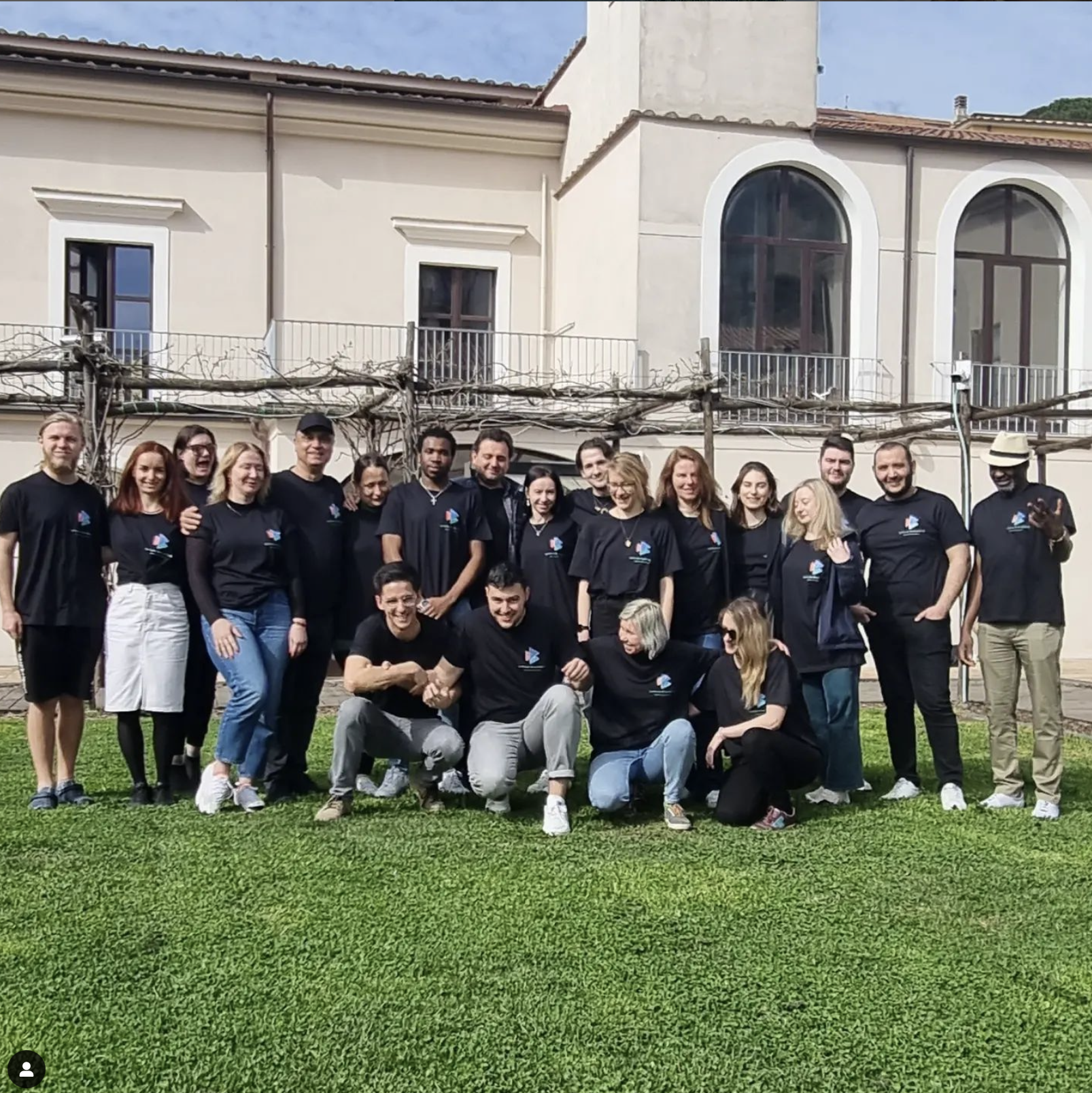
The project team identified the following target groups: - Project participants: youth workers, trainers, facilitators, formal educational institutions working in the field of educator capacity building and aiming to equip their staff with new skills, the same educators, who are open to professional development and eager for education to respond to today's problems - The partner organizations or the organizations that the CMS participant will represent (in case of partners will send representatives of several organisations) through the resources and knowledge that the participants of acquired and can be implemented in future local projects and activities; - The young people and youth workers of the project partners will be enriched by the knowledge and results brought by the participants to their local NGO. - Young people from the local communities of the partner organisations, who will take part in the activities, organized by the CMS participants during the follow-up phase and at the end of the project - The general public, who could benefit from using the project results .
I risultati sono 7 nuovi progetti
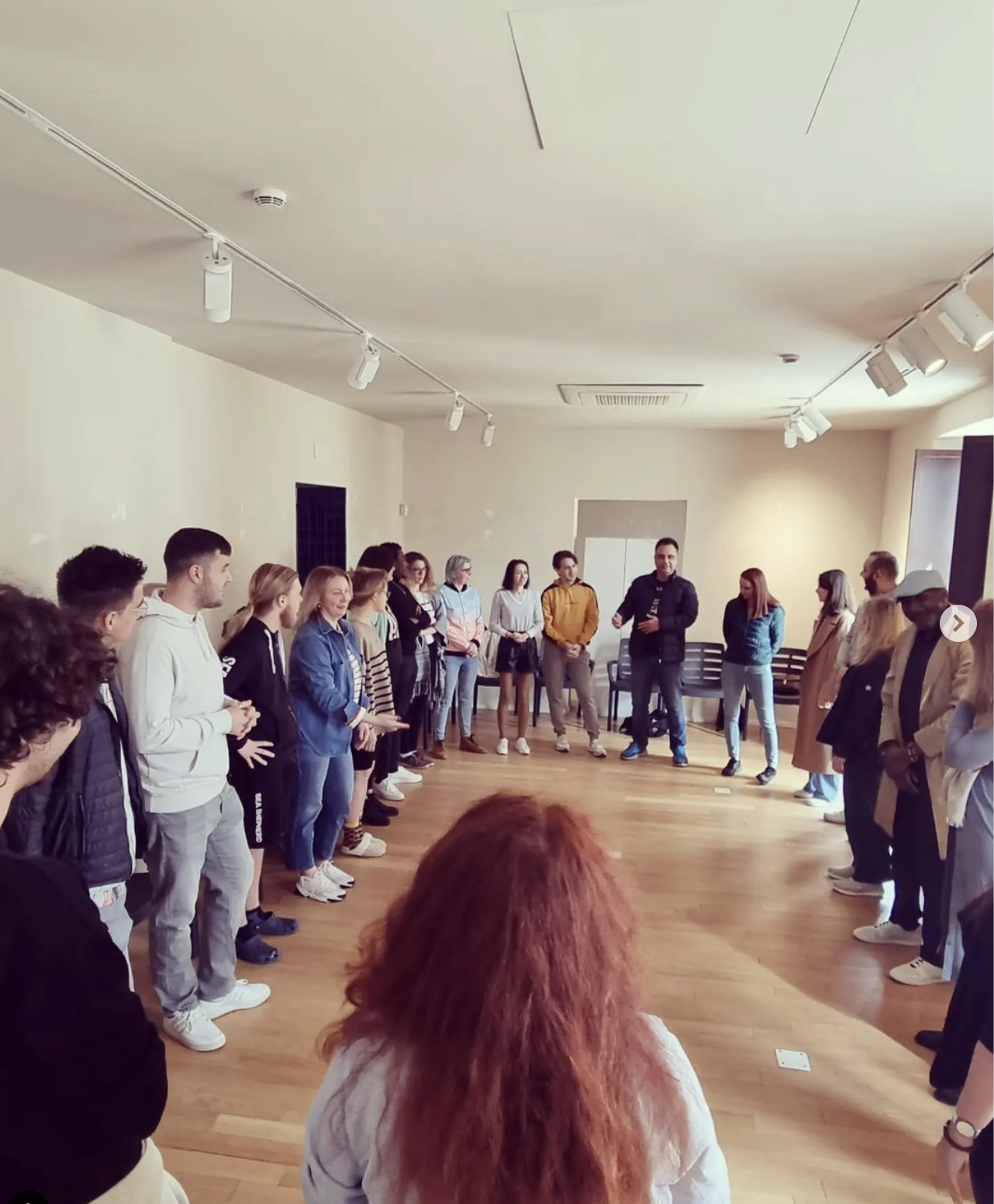
The seven projects developed by participants during the "YOUTH WORK BEYOND HORIZONS" project have had a significant impact at the local, regional, and international levels. They represent concrete and tangible results of the project, demonstrating the effectiveness and relevance of the skills acquired by participants. Below are some examples of each project: "Solidarising Cities": This project involved seven European countries and their neighborhoods, creating a network of supportive citizens. Participants organized events, workshops, and activities that promoted cooperation between different communities, overcoming cultural and linguistic barriers. For example, they organized a cultural exchange day where young people from different communities shared their traditions, food, and music, promoting inclusion and unity among different cultures. "Eat Together": This project used cooking as a tool to create social connections and address real social problems. Participants organized cooking workshops where young people from diverse backgrounds gathered to cook together and discuss topics such as social inclusion, the environment, and sustainability. These workshops provided a safe space for open discussion and the exchange of ideas. "English Conversation Club": This project focused on eliminating language barriers through games and entertainment. Participants developed interactive activities and games to improve young people's English language skills. For example, they organized game nights where young people practiced their English through role-playing and fun activities. "Growing Citizens": This project encouraged children to become active and responsible citizens. Participants organized educational workshops where children learned citizenship skills, such as community participation and respect for the environment. For example, they organized a local park cleanup project, engaging young people in caring for their environment. "Creativity's Resurrection: Humanization vs. Digitalization": This project addressed the balance between humanization and digitalization. Participants organized discussions and workshops to promote the conscious use of technology and the maintenance of meaningful human relationships. For example, they organized a conference on mental health and the responsible use of technology. "Be Clear - Communication and Negotiation Strategies for Youth Work": This project strengthened participants' communication skills. They organized training sessions and workshops to develop effective communication skills in work and everyday situations. For example, they organized a seminar on assertive communication for youth workers. "GAMES": This project explored language learning support techniques for working with adults. Participants developed teaching materials and resources to facilitate language learning in a fun and engaging way. For example, they created a kit of educational games for immigrants to learn Italian. These projects had a positive impact on the communities involved and demonstrated participants' ability to apply the skills learned during the project. They were shared with partner organizations and other stakeholders through the project's communication channels, such as the participants' and project's social media pages, the website, and local workshops and seminars in their return organizations. This helped spread good practices and inspire other youth workers and organizations to develop similar projects and collaborate internationally.